Flexible Workout Apps for Busy Professionals: Training Without the Pressure

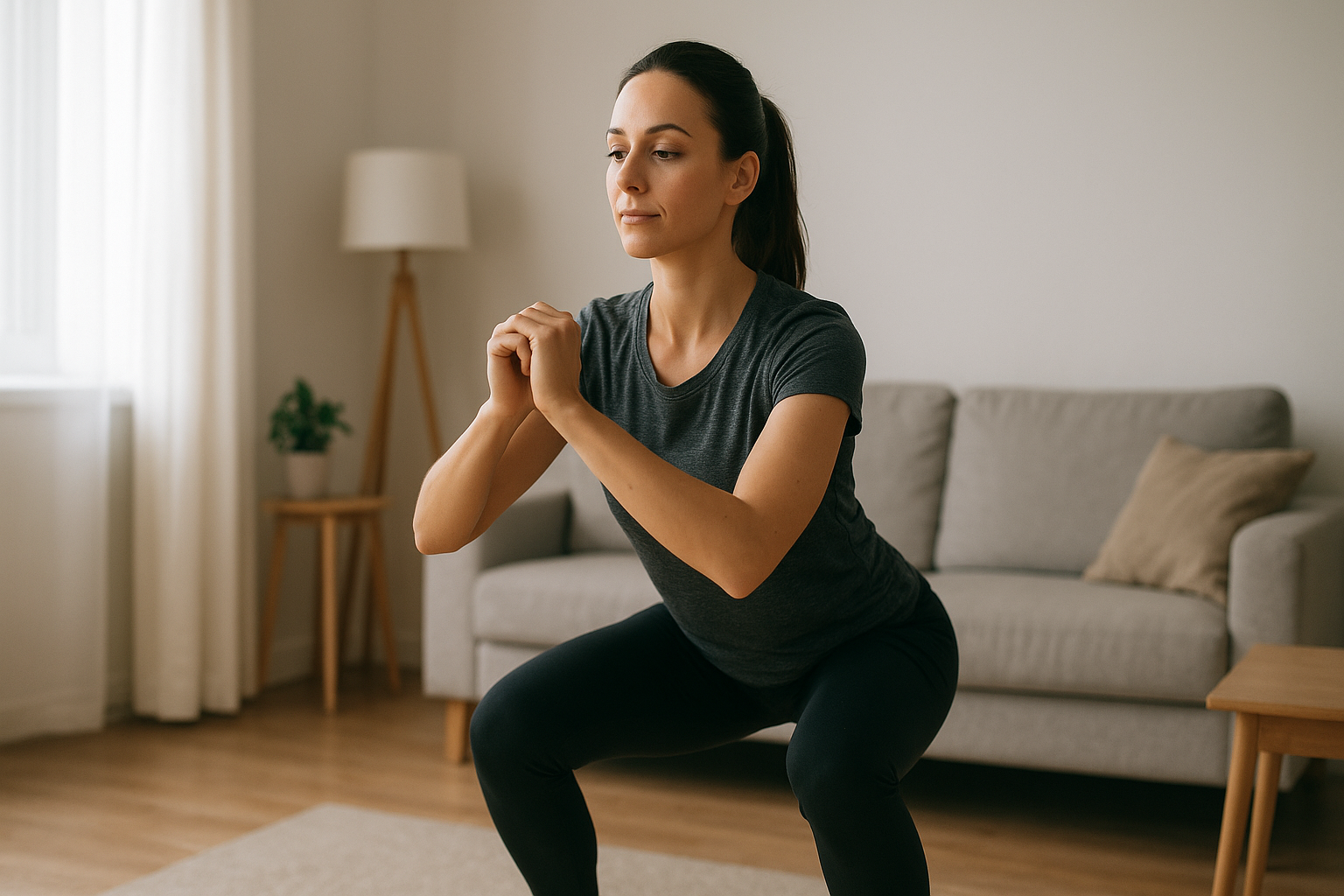
Flexible Workout Apps for Busy Professionals: Training Without the Pressure
Meta Description: Discover how flexible workout apps help busy professionals stay fit without social pressure, progress tracking obsession, or fixed schedules. Adapt your training to real life.
There's a particular type of fitness guilt that comes with being a busy professional. You know how to train. You've done it before. Maybe you were an athlete, a CrossFit regular, or simply someone who had time to care about your fitness. But now? Now you're juggling work deadlines, family commitments, and the mental load of just getting through the day. The last thing you need is an exercise regime that demands more from you than you can reasonably give.
The Silent Struggle of Fitness in Professional Life
Here's what nobody talks about: not everyone wants to share their workout on Instagram. Not everyone wants to join a community fitness challenge or compete on a leaderboard. Some of us simply want to train effectively, quietly, and without the performance of it all.
You're not lazy. You're not unmotivated. You're just busy, and you're allowed to keep your fitness private.
The traditional fitness industry hasn't caught up with this reality. Workout apps bombard you with social features you didn't ask for. Gyms push group classes when you'd rather work out alone. Personal trainers expect consistent appointment times when your calendar resembles a game of Tetris played by someone who's never seen the game before.
Why Fixed Workout Schedules Don't Work for Busy People
"Just make time," they say, as if time is a renewable resource you can simply manufacture. Here's the truth: your available training time varies wildly from day to day.
Monday might give you a precious 45 minutes before your first meeting. Tuesday could be squeezed down to 20 minutes between calls. Wednesday might offer nothing at all, or perhaps 60 minutes if that client meeting gets cancelled. This isn't poor planning. This is modern professional life.
Yet most fitness apps still operate on the assumption that you can commit to fixed workout times. They'll give you a programme that says "Train Monday, Wednesday, Friday at 6am for 60 minutes each." Brilliant, except what happens when real life intervenes?
The Reality of Variable Training Time
Busy professionals need workout plans that adapt to available time, not rigid schedules that create guilt when life gets in the way. A 15-minute workout isn't a failure. It's effective training within real constraints.
Mood-Based Training: The Missing Element in Workout Apps
Some days you wake up ready to push hard. Other days, you're mentally exhausted from back-to-back meetings, family stress, or simply the weight of everything on your mind. The conventional wisdom says "push through it" or "rest day." But what about the vast middle ground?
What about when you're not injured, not ill, but simply not firing on all cylinders? When you know movement would help, but an intense session would break you?
Traditional workout programming doesn't account for this. You're either "on" or "off." There's no recognition that your mental and emotional state should inform your physical training, that holistic wellness actually means considering your whole self, not just your muscles.
Adaptive Training Intensity
The best workout apps for busy professionals should offer:
- Low-intensity options for recovery days
- Standard programming for typical training days
- High-intensity sessions when you're feeling strong
- Recognition that energy levels fluctuate naturally
The Progress Tracking Problem in Fitness Apps
There's an entire industry built around making you obsess over numbers. Steps. Heart rate. Calories burned. Weight lifted. Personal bests. Streak days. Achievement badges.
For some people, this works brilliantly. For many busy professionals? It's just another source of stress.
You don't need another app telling you that you've "lost your 47-day streak" because you had to work late. You don't need guilt-inducing notifications about workouts you've "missed." You know what you need? You need to train when you can, as well as you can, and then get on with your life without the performance metrics.
Minimalist Progress Tracking
The alternative approach focuses on:
- Simple completion recording
- Weekly consistency visualisation
- Optional performance metrics (not mandatory)
- Habit formation over data accumulation
Equipment Flexibility: Training Anywhere with Adaptive Workouts
Monday: you're in your home gym with your barbell and dumbbells. Tuesday: you're in a hotel gym with nothing but a treadmill and some sad-looking resistance bands. Wednesday: you're working from your parents' house with access to precisely nothing. Thursday: you're back home but the barbell is occupied by your partner.
Most workout programmes implode at this point. They're designed for consistency of environment: the same gym, the same equipment, the same space. Real life doesn't work that way, especially if you travel for work or have a varied schedule.
Equipment-Adaptive Programming
Effective workout apps for professionals should adapt to:
- Full gym facilities
- Basic home gym setups
- Hotel gym limitations
- Bodyweight-only situations
- Equipment availability changes day-to-day
A Different Approach to Fitness Apps
What if exercise could actually adapt to your life, rather than forcing your life to adapt to it?
This is where adaptive workout apps become essential. They're built specifically for people who know how to train but need flexibility in execution.
Time-Adaptive Workout Plans
Rather than committing to a fixed programme, you choose your available time before each workout: 15, 30, 45, or 60 minutes. The programming adapts to fit. A 15-minute session isn't just a shortened version of the 60-minute workout. It's intelligently designed to deliver value in the time you actually have.
Running out for a lunch break workout? Select 30 minutes and factor in changing and showering. Only have a small window before breakfast? The 15-minute option has you covered. This isn't about compromise; it's about reality.
Mood-Based Workout Intensity
Before each workout, adaptive apps ask a simple question about how you're feeling: not great and just need movement, ready for your standard programme, or fired up and wanting to push harder.
The programming adjusts accordingly. On tough days, you still move, still train, still maintain your fitness, but at an intensity that respects where you are mentally and emotionally. On days when you're feeling strong, the session rises to meet you.
This isn't permission to coast. It's recognition that intelligent training adapts to your whole state, not just your physical capabilities.
Multi-Environment Training Solutions
Whether you're training with a full functional gym setup, a basic home gym, minimal hotel equipment, or just your bodyweight, flexible workout apps adapt. One app, infinite situations.
You're not locked into a "30-day bodyweight challenge" and then stuck when you finally get access to a proper gym. You're not investing in a gym-specific programme that becomes useless when you travel. The programming shifts to match your current reality.
Private Fitness Without Social Pressure
There's minimal tracking because you don't need another metric to obsess over. You train, you mark it complete, you move on with your day. That's it.
Weekly consistency is visualised simply, not to guilt you, but to help you see patterns. There's optional performance tracking if you want it, but the focus is on building a sustainable habit, not accumulating data points.
No leaderboards. No social sharing. No community challenges unless you actively want them. Just you, your workout, and the satisfaction of having trained well.
Eliminating Decision Fatigue
Perhaps the most liberating feature in modern workout apps is the simplest: removing all decision-making. Set your equipment level and available time once, then just tap "give me today's workout" when you're ready to train.
Zero decision fatigue. Zero scrolling through options. Zero mental overhead. The system remembers your preferences and serves up what you need. For busy professionals, this elimination of friction is worth more than any feature list.
The Permission You Didn't Know You Needed
Here's what we're really talking about: permission to train on your own terms.
Permission to keep your fitness private if that's what works for you.
Permission to have variable training days without guilt.
Permission to acknowledge that some days are just harder than others.
Permission to focus on consistency over intensity, sustainability over heroics.
Finding the Right Workout App for Busy Professionals
The balancing act of exercise in a busy professional life isn't about finding more time or more motivation. It's about having systems that bend to your reality rather than breaking under it. It's about recognising that effective training doesn't require public performance, obsessive tracking, or rigid scheduling.
You already know how to train. You just need the flexibility to do it on your terms.
What to Look for in Flexible Fitness Apps
When searching for workout apps that fit busy professional lives, prioritise:
- Time-flexible programming (15-60 minute options)
- Mood-based intensity adaptation
- Equipment-agnostic workouts
- Minimal social features and tracking pressure
- Simple, decision-free workout delivery
- Private training without performance metrics
And that, ultimately, is what makes the difference between fitness that adds stress to your life and fitness that genuinely fits within it.
About OnlyWorkouts
OnlyWorkouts provides AI-generated adaptive workout programming for busy professionals across three equipment tiers, with time-based and mood-based options designed for real life, not perfect conditions. Because you already know what you're doing, you just need workouts that adapt to your actual life.
Ready to try flexible fitness? [Discover how OnlyWorkouts adapts to your schedule, equipment, and energy levels.]
Frequently Asked Questions
What makes a workout app suitable for busy professionals? The best workout apps for busy people offer time flexibility, equipment adaptation, and intensity options based on energy levels, without social pressure or mandatory progress tracking.
Can I get effective workouts in 15-20 minutes? Yes. Short workouts designed specifically for limited time can be highly effective, especially when intelligently programmed rather than simply shortened versions of longer sessions.
Do I need to track my fitness progress? No. While some people benefit from detailed tracking, many busy professionals prefer simple completion recording and weekly consistency visualisation without obsessive metrics.
How do mood-based workouts work? Mood-based training allows you to select your energy level before each session, adjusting workout intensity to match your mental and physical state on that specific day.
What if I travel frequently for work? Look for workout apps with equipment-adaptive programming that works in hotel gyms, home gyms, full facilities, or with just bodyweight, adapting to wherever you are.
Related Articles:
- How to Maintain Fitness While Travelling for Work
- The Psychology of Sustainable Exercise Habits
- Equipment-Free Workouts for Time-Poor Professionals
- Why Rest Days Matter More Than You Think